
Coffee Tour in Moshi – Kilimanjaro Coffee Plantation Experience
Explore a coffee tour in Moshi on the slopes of Mount Kilimanjaro. Visit local farms, learn how coffee is made, and taste fresh Tanzanian coffee.
Customer Reviews
4.9
Coffee Tour in Moshi – Kilimanjaro Coffee Plantation Experience
Moshi, located at the foot of Mount Kilimanjaro, is a vibrant, green region renowned for its fertile volcanic soil, rolling hills, and breathtaking landscapes. In this region, coffee is more than just a crop it is a way of life, woven into the rhythm of daily village life and family traditions. A coffee tour in Moshi offers a truly immersive journey: you’ll walk through lush coffee farms, meet the families who cultivate the beans, participate in traditional processing methods, and finally savor the freshest cup of coffee you’ve ever tasted, straight from the source.
This experience is perfect for travelers seeking authentic cultural adventures. It combines the beauty of nature, the hands-on experience of agriculture, and warm community interaction in a relaxed and gentle way. Along the way, you’ll not only learn about the coffee-making process but also gain insight into the lives, stories, and traditions of the people who have nurtured these farms for generations. By the end of the tour, you’ll leave with lasting memories, a deeper understanding of local culture, and a newfound appreciation for Tanzania’s world-famous coffee.

Why Coffee Thrives on Kilimanjaro’s Slopes
The slopes of Mount Kilimanjaro provide an ideal climate for coffee. The combination of rich volcanic soil, steady rainfall, and cool temperatures allows Arabica coffee trees to grow healthy and strong. Unlike large commercial plantations, most Moshi coffee farms are family-run, with farmers using age-old techniques passed down through generations.
Many farms also grow bananas, beans, and maize alongside coffee. This mixed-cropping system maintains soil fertility, ensures family food security, and creates a vibrant ecosystem filled with birds, butterflies, and other wildlife.
What Happens During a Coffee Tour
The coffee tour is hands-on, educational, and culturally rich. Visitors get to see the coffee journey from tree to cup.
1. Village Walk: Step into Local Life
The tour begins in a traditional village, where narrow paths wind between banana and maize fields and small, colorful homes. As you walk, you’ll observe daily life unfolding around you: children in uniforms laughing and walking to school, women preparing meals over open fires, and elders tending vegetable gardens or chatting with neighbors. The air is filled with the scent of fresh earth, cooking fires, and flowering plants. This immersive experience gives you your first real connection to the community that carefully cultivates the coffee you’ll taste later, allowing you to see how farming, family, and tradition are intertwined in everyday life.
2. Explore the Coffee Farm: Learn About the Trees
At the coffee farm, your guide will take you through the lush rows of coffee trees and explain each stage of the coffee’s journey:
- · Planting: Small seedlings are carefully planted in shaded areas to protect young trees from the harsh sun. Visitors can see how farmers prepare the soil and nurture each seedling, ensuring it grows strong and healthy.
- · Growth: Coffee trees take 3–4 years to produce beans. As you walk among the plants, you’ll notice the vibrant green leaves, the delicate white flowers that bloom, and the tiny green cherries that slowly develop into the ripe, red fruit.
- · Harvesting: When the cherries reach peak ripeness, they are hand-picked with precision. During harvest season, visitors often get the opportunity to pick coffee cherries themselves, experiencing firsthand the patience and care required to select only the best fruit.
- · Protection: Farmers use natural and sustainable methods to keep the trees healthy, from companion planting to organic fertilizers, ensuring that every cup of coffee is not only delicious but also grown responsibly.
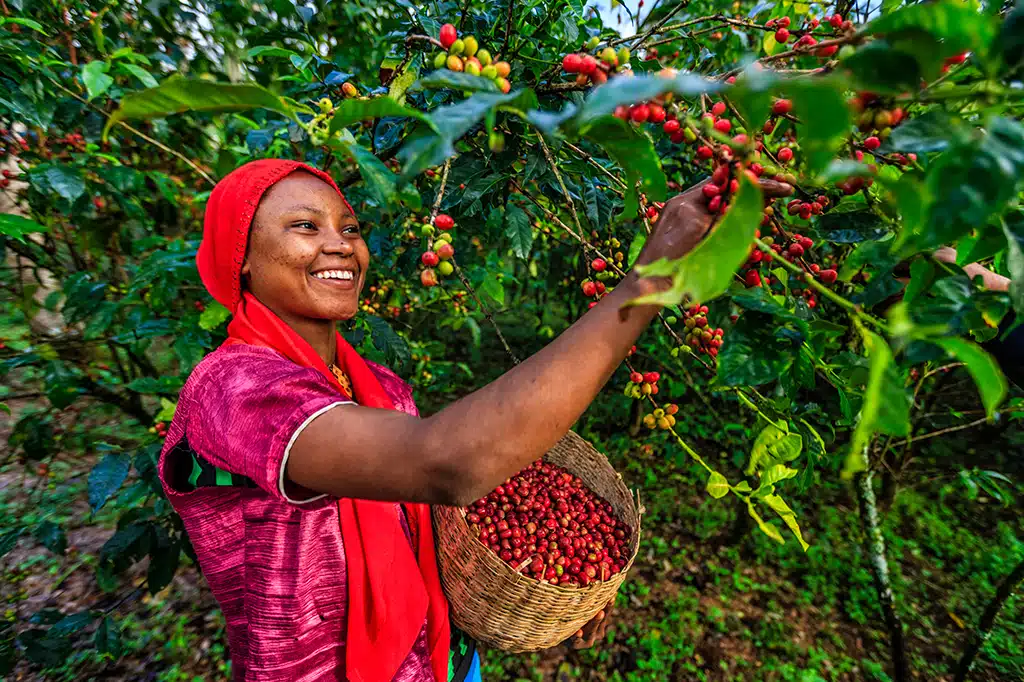
This hands-on experience allows you to appreciate the skill, effort, and dedication that go into producing every cup of Tanzanian coffee. Walking through the farm, smelling the fresh earth, and seeing the vibrant coffee cherries gives you a deeper connection to the people and the land that create this world-famous beverage.
3. Coffee Processing: From Cherry to Bean
This is where the tour becomes truly immersive, giving you a hands-on look at how coffee transforms from cherry to the aromatic beverage we all love.
- · Pulping: First, the outer skin of the ripe coffee cherries is carefully removed. You can see the bright red cherries turning into smooth, pale beans, learning how precision and care affect the quality of the coffee.
- · Washing: The beans are then rinsed in flowing water to remove sticky residues. As you watch, you’ll notice how important this step is for the flavor and purity of the final brew.
- · Drying: The beans are spread out under the sun on mats or raised racks. Farmers turn them by hand throughout the day, ensuring they dry evenly. You’ll feel the warmth of the sun and see the transformation from pale beans to firm, dried coffee ready for roasting.
- · Roasting: Next comes roasting over an open flame. The rich, earthy aroma fills the air, and you’ll see the beans gradually darken. Roasting is both art and tradition, passed down through generations.
- · Grinding: Finally, the roasted beans are crushed into powder using traditional wooden grinders. This hands-on step lets you engage directly with the process and brings you closer to the craft of coffee-making.
As all this happens, the sounds of local songs fill the farm rhythmic, joyful, and full of life. Coffee preparation here is not just work; it’s a celebration of community, culture, and tradition. Participating in these steps allows you to connect with the farmers and appreciate the skill, effort, and joy that goes into every cup of Tanzanian coffee.
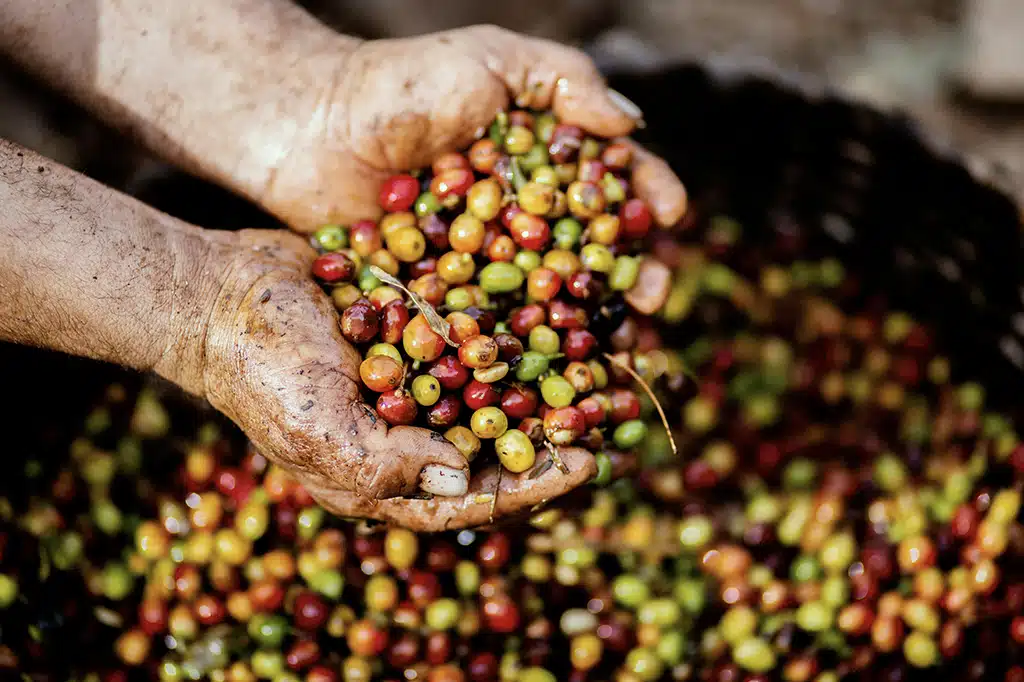
4. Coffee Tasting: Farm-to-Cup Delight
After grinding and roasting, you finally get to taste the coffee you helped prepare a true farm-to-cup experience. The aroma of the freshly roasted beans fills the air, rich and earthy, with hints of chocolate and citrus that are unique to Kilimanjaro coffee. As you lift the warm cup to your lips, you feel the comforting heat and hear the soft murmurs of the village around you. The flavor is fresh, intense, and naturally sweet, a taste that only comes from hand-picked, carefully processed beans.
Sipping the coffee, you’ll sense the care and dedication of the farmers who nurtured each tree, harvested the cherries at the perfect moment, and followed generations-old methods to create this extraordinary drink. It’s more than coffee it’s a cultural experience that engages all your senses, connects you to local traditions, and leaves you with a deep appreciation for the people and land that produce Tanzania’s world-famous coffee.
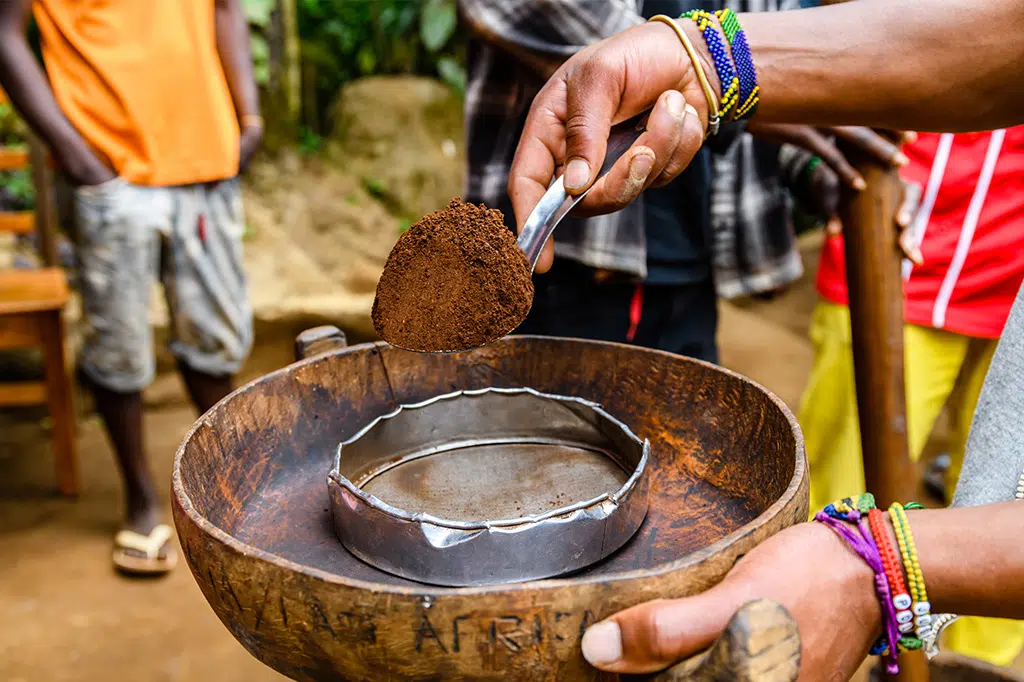
Cultural Importance of Coffee in Moshi
Coffee farming in Moshi is more than a job it is the backbone of family life and community culture. Income from coffee:
- Supports children’s education
- Pays for healthcare and household needs
- Preserves traditional farming knowledge
Many farms have been owned for generations, and knowledge is shared from parents to children. By participating in a coffee tour, you directly support these local families and contribute to sustainable tourism.
Best Time for the Coffee Tour
While coffee tours in Moshi are available all year round, different months offer unique experiences that make your visit even more memorable:
- June to October – Dry Season
During the dry season, mornings are cool and the skies are usually clear, providing perfect conditions for walking around the coffee farms and villages. The views of Mount Kilimanjaro are often unobstructed, making it an ideal time for photography and capturing the lush green landscapes. - December to February – Warm and Sunny Days
These months bring warm, sunny weather, making it comfortable to explore the farms and participate in outdoor activities. It’s a great time for tasting fresh coffee while enjoying the vibrant surroundings, meeting local farmers, and experiencing village life at a leisurely pace. - July to December – Peak Harvest Season
This is the most exciting time to visit if you want a hands-on experience. During harvest season, coffee cherries are at their ripest, and visitors can help pick them, observe traditional processing, and even take part in roasting and grinding. It’s the best opportunity to fully immerse yourself in the coffee-making culture.
Even outside the harvest season, the tour remains informative and enjoyable, with plenty to see and learn about local farming, traditions, and the community that sustains Tanzania’s famous coffee.
Practical Tour Details
Duration: Half-day (3–5 hours)
Start time: Morning or afternoon
Walking level: Easy
Location: Villages on the slopes of Mount Kilimanjaro
Transport: Can be arranged from Moshi town
Tour Includes
- Professional local guide
- Coffee plantation visit
- Hands-on coffee processing experience
- Coffee tasting
- Village walks
- Drinking water
Tour Excludes
- Tips for guides or villagers
- Personal expenses
- Extra meals unless requested
- Transport (optional)
Optional Add-Ons
Visit Nearby Waterfalls
Enhance your coffee tour with a short walk to a nearby waterfall. Enjoy the natural beauty, listen to the soothing sounds of flowing water, and take stunning photos of Kilimanjaro’s lush landscapes. It’s a peaceful break and a great way to experience the region’s nature.
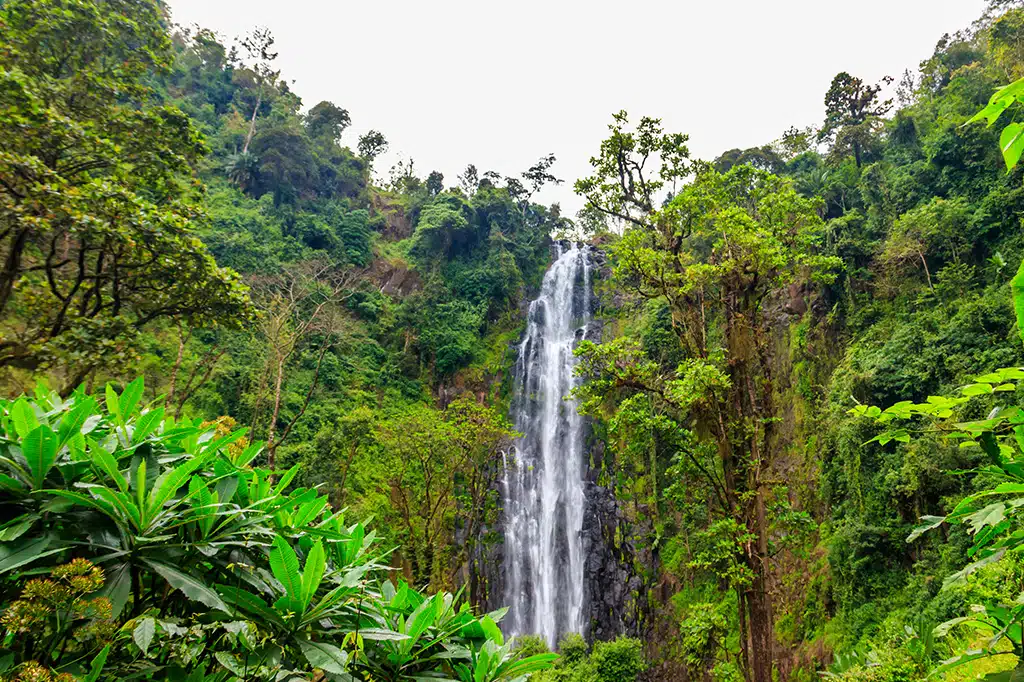
Lunch in a Local Village
Experience authentic Tanzanian cuisine with a traditional village lunch. Taste freshly prepared dishes using local ingredients while enjoying the warm hospitality of the community. This is a perfect way to immerse yourself in local culture and meet villagers in a relaxed setting.
Explore Local Markets
Visit nearby markets where locals sell fresh produce, handmade crafts, and souvenirs. It’s a lively and colorful experience where you can observe daily life, shop for unique items, and interact with the friendly community.
Combine with a Kilimanjaro Day Hike
For adventure lovers, you can combine the coffee tour with a day hike on Kilimanjaro’s lower slopes. Enjoy gentle trekking through scenic trails, forests, and farmland, all while learning about the mountain’s ecology and local culture. This combination makes for a full, memorable day in Moshi.
Who Should Join
- Cultural travelers
- Families and couples
- Safari visitors
- Coffee lovers
- Kilimanjaro climbers before or after trekking
No special fitness is required. The tour is suitable for all ages.
Frequently Asked Questions
1. Is the tour suitable for children?
Yes! The coffee tour is safe and designed for all ages. Children will enjoy seeing the coffee farms, meeting friendly local farmers, and learning how coffee grows and is processed. It’s an educational experience where kids can see nature, participate in simple activities, and discover cultural traditions in a fun and interactive way.
2. Do I need special shoes?
No special shoes are required. Comfortable walking shoes or sneakers are perfect because the tour involves light walking on village paths and farm trails. You’ll be able to move easily while exploring the fields, watching the coffee processing, and participating in hands-on activities like picking cherries or helping with roasting.
3. Can I combine the tour with other activities?
Absolutely! Many visitors enhance their experience by combining the coffee tour with nearby attractions. Popular add-ons include visiting local waterfalls, enjoying a traditional village lunch, exploring local markets, or taking short hikes in the surrounding areas. Combining activities allows you to make the most of your day and experience more of Moshi and the slopes of Kilimanjaro.
4. Is the tour hands-on?
Yes, this is a very interactive tour. Visitors have the opportunity to pick coffee cherries, observe the processing, roast the beans over an open fire, grind them by hand, and finally taste the fresh coffee you helped prepare. This hands-on experience lets you understand the effort, skill, and care that go into producing every cup of Tanzanian coffee, making it both educational and memorable.
Why You Should Not Miss This Tour
Most visitors come to Kilimanjaro for trekking or safaris, but the coffee tour in Moshi offers a completely different and unforgettable experience. It takes you off the beaten path and provides a unique glimpse into the local culture, everyday life, and traditional practices that you won’t see anywhere else. Along the way, you’ll meet friendly farmers, observe the careful process of coffee growing and harvesting, and even take part in traditional roasting and grinding. The tour is both educational and fun, letting you see, smell, and taste the coffee while hearing stories passed down through generations. It’s a memorable journey that connects you directly with the people who cultivate Tanzania’s renowned coffee and helps you truly appreciate the care, skill, and passion behind every cup.
.png)
Book Your Coffee Tour in Moshi with Us Today
Don’t just visit Tanzania live it. Join a coffee tour in Moshi and step into the heart of local life on the slopes of Kilimanjaro. Meet friendly farmers, learn how coffee grows from cherry to cup, and discover the traditional methods that have been passed down for generations. Savor the freshest, richest Kilimanjaro coffee straight from the farm, enjoy the breathtaking views of the mountain, and immerse yourself in village culture, songs, and stories. Book your tour today and create unforgettable memories that will stay with you long after your trip.