How Large Is Serengeti National Park?
Find out how big Serengeti National Park is, including its total area, ecosystem size, and why its large space is important for wildlife and safari experiences in Tanzania.
Customer Reviews
4.9
How Large Is Serengeti National Park?

Serengeti National Park is one of the largest and most famous national parks in Africa. It is located in northern Tanzania and is known for its endless plains, rich wildlife, and the world-famous Great Migration.
Understanding the size of Serengeti helps you see why it is such an important wildlife area and why animals have enough space to move freely.
Size of Serengeti National Park
Serengeti National Park is very large, covering about 14,750 square kilometers (5,700 square miles). This makes it one of the biggest national parks in Tanzania and in Africa. Because the park is so big, it is even larger than some small countries. You cannot explore all of it in just one day, and it takes several days to see different areas. The large size also allows animals to move freely over long distances, which is very important for wildlife like wildebeest during migration.
Serengeti Ecosystem Size
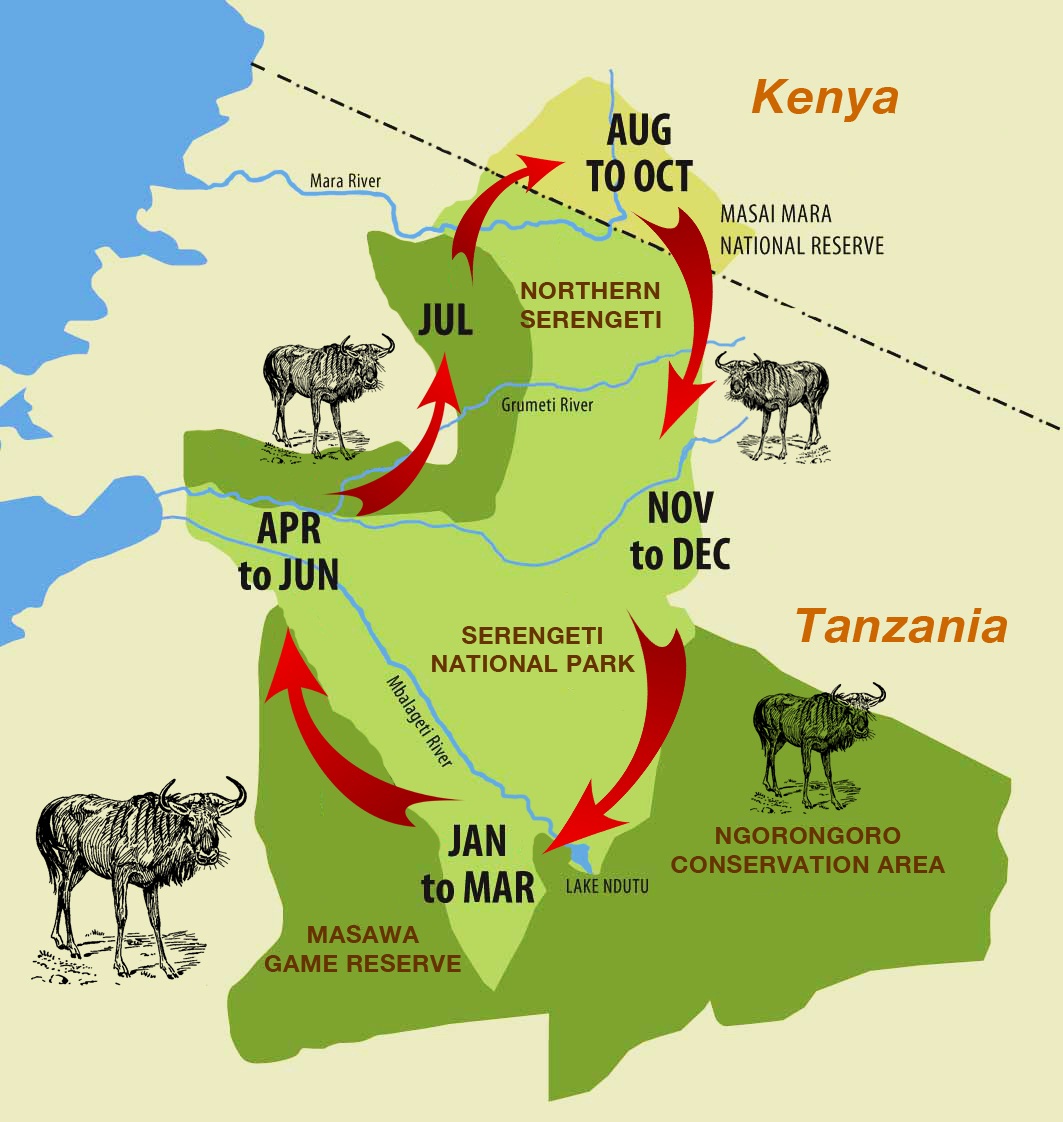
The Serengeti National Park is not just a single park; it is part of a much larger ecosystem. This whole ecosystem covers about 30,000 square kilometers (11,583 square miles), making it one of the largest wildlife areas in Africa. It includes the Serengeti National Park, the Ngorongoro Conservation Area, the Maasai Mara National Reserve in Kenya, and other surrounding wildlife reserves. Because this area is so large and connected, animals like wildebeest, zebras, and gazelles can move freely across borders during their yearly migration in search of food and water.
Why Serengeti’s Size Is Important
The large size of Serengeti is one of the reasons it is so famous.
1. Supports Large Wildlife Populations
The large size of Serengeti National Park allows it to support a huge number of animals in a natural way. There are millions of wildebeest, along with hundreds of thousands of zebras and gazelles, all living and moving across the plains. The park also has large populations of predators like lions, elephants, leopards, and hyenas. Because there is so much space and food, these animals can survive and grow without overcrowding, which helps keep the ecosystem balanced.
2. Allows the Great Migration
The size of the park makes the Great Migration possible. Animals like wildebeest travel long distances across the Serengeti in search of fresh grass and water throughout the year. Because the park connects with other protected areas, animals can move freely without barriers. This natural movement would not be possible in a small park, and it is one of the reasons the Serengeti is world famous.
3. Protects Natural Habitats
The Serengeti’s large area protects many different types of habitats, such as open grasslands, river systems, woodlands, and rocky kopjes (small hills). Each habitat supports different animals and birds. For example, grasslands are good for grazing animals, rivers attract crocodiles and hippos, and woodlands provide shelter for animals like elephants and birds. This variety of habitats increases the number of species that can live in the park.
4. Reduces Human Impact
Because the park is very large, there is less human disturbance in most areas. Animals have enough space to live, hunt, and move naturally without frequent contact with people. This helps reduce stress on wildlife and protects their natural behavior. It also helps keep the environment clean and undisturbed, which is important for long-term conservation.
How Serengeti Is Divided
1. Central Serengeti
The Central Serengeti is the most popular and active part of the park. It is known for good wildlife viewing throughout the year because many animals stay here even when the migration moves to other areas. This region has a high number of predators, so you have a strong chance of seeing lions, leopards, and hyenas. The landscape includes open plains mixed with rocky kopjes, where big cats often rest. It is also easy to access, with many lodges and camps, making it a common base for safari travelers.
2. Southern Serengeti
The Southern Serengeti is famous for the calving season, which happens between January and March. During this time, thousands of wildebeest give birth, and the plains are filled with young animals. This attracts many predators, so you may see hunting activity. The area has wide, open grasslands with very few trees, which makes it easy to spot animals from a distance. It is also a great place for photography because of the clear views and large herds.
3. Western Corridor
The Western Corridor stretches toward the Grumeti River and is an important part of the migration route. During the migration season, animals gather here and prepare to cross the river. This is where you can see dramatic scenes as wildebeest and zebras face strong currents and large crocodiles. The area also has a mix of grasslands, rivers, and woodlands, which support different types of wildlife. It is less crowded than the central area, giving a more quiet safari experience.
4. Northern Serengeti
The Northern Serengeti is one of the most exciting regions during the migration, especially between July and October. This is where animals cross the Mara River, one of the most famous wildlife events in Africa. These crossings are dramatic and unpredictable, making them very exciting to watch. The area is more remote and less crowded, which makes it peaceful and ideal for travelers who want a quieter safari. It also has beautiful landscapes with rolling hills, rivers, and fewer vehicles compared to other regions.
How Long Does It Take to Explore Serengeti?
Because Serengeti National Park is very large, you need enough time to explore it properly and enjoy different areas. A 3 to 5 day safari is usually the minimum and is good for seeing wildlife and getting a basic experience of the park. However, if you want to explore more regions and have a deeper experience, it is better to spend 6 to 10 days. This allows you to visit different parts of the Serengeti and increase your chances of seeing more animals. Even if you stay for many days, you will still only explore part of the park because it is so big.
Comparison with Other Parks
To understand Serengeti’s size better:
It is much larger than many African national parks
Serengeti National Park is much bigger than many other national parks in Africa. This large size means it can support more animals and offer a wider range of safari experiences. Visitors can travel long distances inside the park and still see new landscapes and wildlife.
It is bigger than some small countries
The Serengeti is so large that it is even bigger than some small countries. This helps you understand just how vast the park is. Because of this size, animals have plenty of space to move freely without crowding.
It is one of the largest protected ecosystems in the world
The Serengeti is part of one of the largest protected ecosystems in the world. This makes it very important for protecting wildlife, natural habitats, and migration routes. Its size helps keep the ecosystem healthy and balanced.
Wildlife Impact of Serengeti’s Size
The large size of Serengeti National Park has a big impact on wildlife. It allows animals to live in a natural balance, where predators like lion’s hunt prey like zebras and wildebeest in a healthy way. The wide space also helps animals move seasonally as they search for food and water during the year. Large herds can survive because there is enough land and resources to support them. In addition, the size reduces overcrowding, so animals have enough space to live without stress. All of this helps create a healthy and natural ecosystem.
Why Tourists Love the Size of Serengeti
Every safari drive feels different
Because Serengeti National Park is extremely large, visitors can explore different regions each day, such as open plains, river valleys, and rocky kopjes. Each area has its own wildlife and scenery, so you may see lions in one place and large herds of zebras or wildebeest in another. This variety makes every game drive feel like a new experience, even if you stay for several days.
You can travel for hours without repeating scenery
Inside the Serengeti, the landscape changes slowly but continuously, so long drives never feel boring. You can spend hours on the road passing endless grasslands, scattered acacia trees, rivers, and hills without seeing the same view again. This makes the journey feel like a real adventure across a vast and natural wilderness, rather than a short and limited safari area.
Wildlife sightings are spread across huge areas
Animals in the Serengeti are not concentrated in one small place. Instead, they are spread across different regions depending on the season, water, and food availability. This means every safari drive involves searching and discovering wildlife in its natural environment. You may find elephants in one area, predators in another, and large herds far away, making each sighting feel special and rewarding.
It feels like a “never-ending” wilderness
When you look across Serengeti National Park, the land often stretches far beyond what the eye can see. There are no city buildings, fences, or crowded spaces only open nature. This creates a strong feeling of freedom and space, making visitors feel like they are in a world that has no limits. The endless horizon and untouched environment give the Serengeti its magical and unforgettable wilderness feeling.
• Serengeti National Park is about 14,750 square kilometers, making it one of the largest and most important national parks in Africa. Its massive size allows it to support millions of animals, protect diverse habitats, and host the world-famous Great Migration.
When combined with the wider Serengeti ecosystem, the area becomes even larger and more important for global wildlife conservation. This huge size is one of the main reasons Serengeti remains one of the best safari destinations in the world.
If you are planning a trip, you can book your safari with Rede Tours and Safaris, a trusted company that helps travelers explore Serengeti in a safe and well-organized way. We offer guided safari packages, professional drivers, and customized tours that make it easier to experience the beauty and vastness of the Serengeti.
Contact for Booking
📧 Email: info@redetoursandsafaris.com
📱 WhatsApp: +255 676 063 791