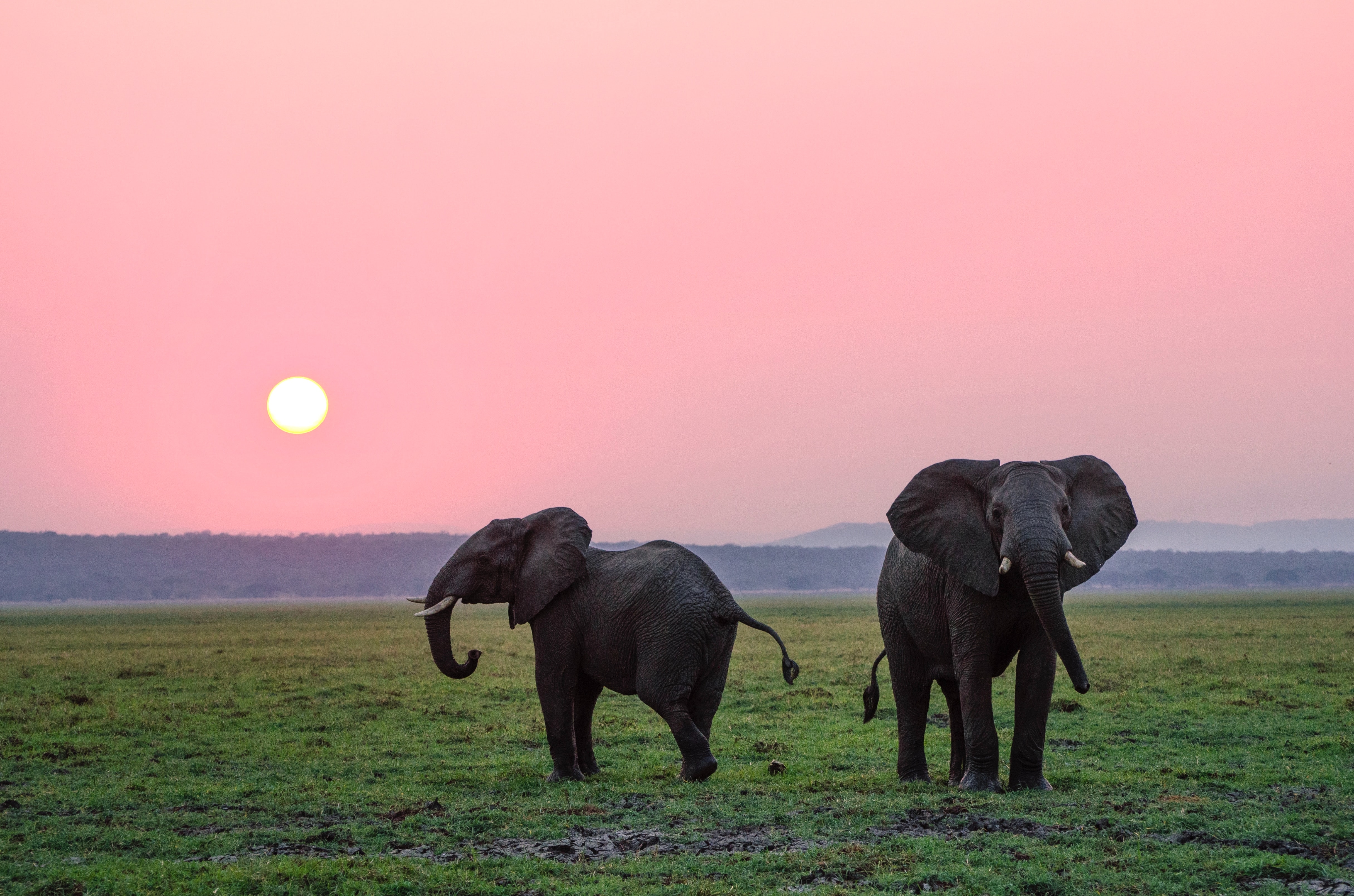
Summer in Tanzania 2026–2027 | Weather, Safari & Top Parks
Explore Tanzania in summer (December–March) with this detailed 2026–2027 safari guide. Discover the weather, wildlife experiences, and top parks like Serengeti and Ngorongoro.
Customer Reviews
4.9
Summer in Tanzania: Weather and Where to Visit for Safari 2026–2027
If you are planning your dream safari for 2026–2027, summer is one of the most magical times to visit Tanzania. The landscapes are green and alive, wildlife is abundant, and the weather is pleasantly warm. This is also when one of nature’s most amazing events takes place the Great Wildebeest Calving Season in the Serengeti.
Whether you want to witness thousands of animals across the savannah, explore the natural beauty of Ngorongoro Crater, or relax on the powder-white beaches of Zanzibar, summer in Tanzania offers an experience filled with life, color, and adventure.
When is Summer in Tanzania?
Summer in Tanzania runs from December through March. This period is locally referred to as the green season, named after the lush landscapes that bloom after short, refreshing rains. The air is clean, the skies are dramatic, and the scenery is breathtakingly beautiful, an ideal setting for safari photography.
Average daytime temperatures range from 25°C to 33°C (77°F to 91°F), with slightly cooler evenings. It’s a comfortable time for both wildlife drives and relaxation. Short, scattered showers may occur in the afternoons, but they rarely interfere with safari activities. In fact, these light rains enhance the experience by keeping the air fresh and dust-free.For travelers who prefer quieter experiences, this period is perfect. Parks are less crowded compared to the high season (June–October), and many lodges offer attractive off-peak rates, giving you more value for your safari investment.
Tanzania Summer Weather Overview
December
December marks the beginning of Tanzania’s summer season and the start of short, light rains, especially in the northern regions. The rainfall is brief and refreshing, transforming the dry plains into lush green landscapes. Wildlife becomes more active as grazing areas improve, and the air feels fresh and clean. This month also marks the beginning of the wildebeest calving season in the southern Serengeti, making it a great time for travelers who want to witness new life in the wild. Temperatures range from 25°C to 31°C, offering warm, comfortable days perfect for safari drives and photography.
January
January is one of the best months to visit Tanzania for safari. The weather is mostly dry, with plenty of sunshine and clear skies. Temperatures stay between 26°C and33°C, ideal for outdoor adventures in the Serengeti and Ngorongoro Crater. Wildlife is easy to spot around watering holes and open plains, while the green landscapes provide a stunning backdrop for photos. With fewer tourists compared to the peak dry season, January offers a peaceful and rewarding safari experience. It’s also an excellent time for couples and families to explore Tanzania’s parks before the long rains begin.
February
February is considered the peak of the calving season in the Ndutu region of the southern Serengeti. Thousands of wildebeest give birth each day, attracting predators like lions, hyenas, and cheetahs creating some of the most thrilling wildlife scenes in Africa. The weather is dry, sunny, and clear, with temperatures between 26°C and 34°C. This month is a favorite among photographers, as the lighting and scenery are perfect for capturing dramatic wildlife moments. Travelers can also enjoy quiet evenings under starry skies, as the weather remains warm but not uncomfortably hot.
March
By March, the first signs of the long rains begin to appear, especially toward the end of the month. Temperatures cool slightly, averaging 24°C to 30°C, and the landscapes remain green and beautiful. This is a peaceful time to visit Tanzania since there are fewer tourists, allowing for a more private safari experience. Birdwatching becomes excellent as migratory birds fill the skies, adding color and life to the parks. Although some areas may receive light showers, mornings and early afternoons are still great for game drives and photography. March is perfect for travelers seeking serenity, value, and natural beauty.
During this season, the northern safari circuit including Serengeti, Ngorongoro,Lake Manyara, and Tarangire- enjoys warm, pleasant weather that’s ideal for wildlife viewing and scenic drives. The southern and western circuits, such as Selous (Nyerere National Park), Ruaha, Katavi, and Mahale Mountains, are slightly more humid but equally rewarding. These areas are lush, quiet, and perfect for those who prefer off-the-beaten-path adventures.
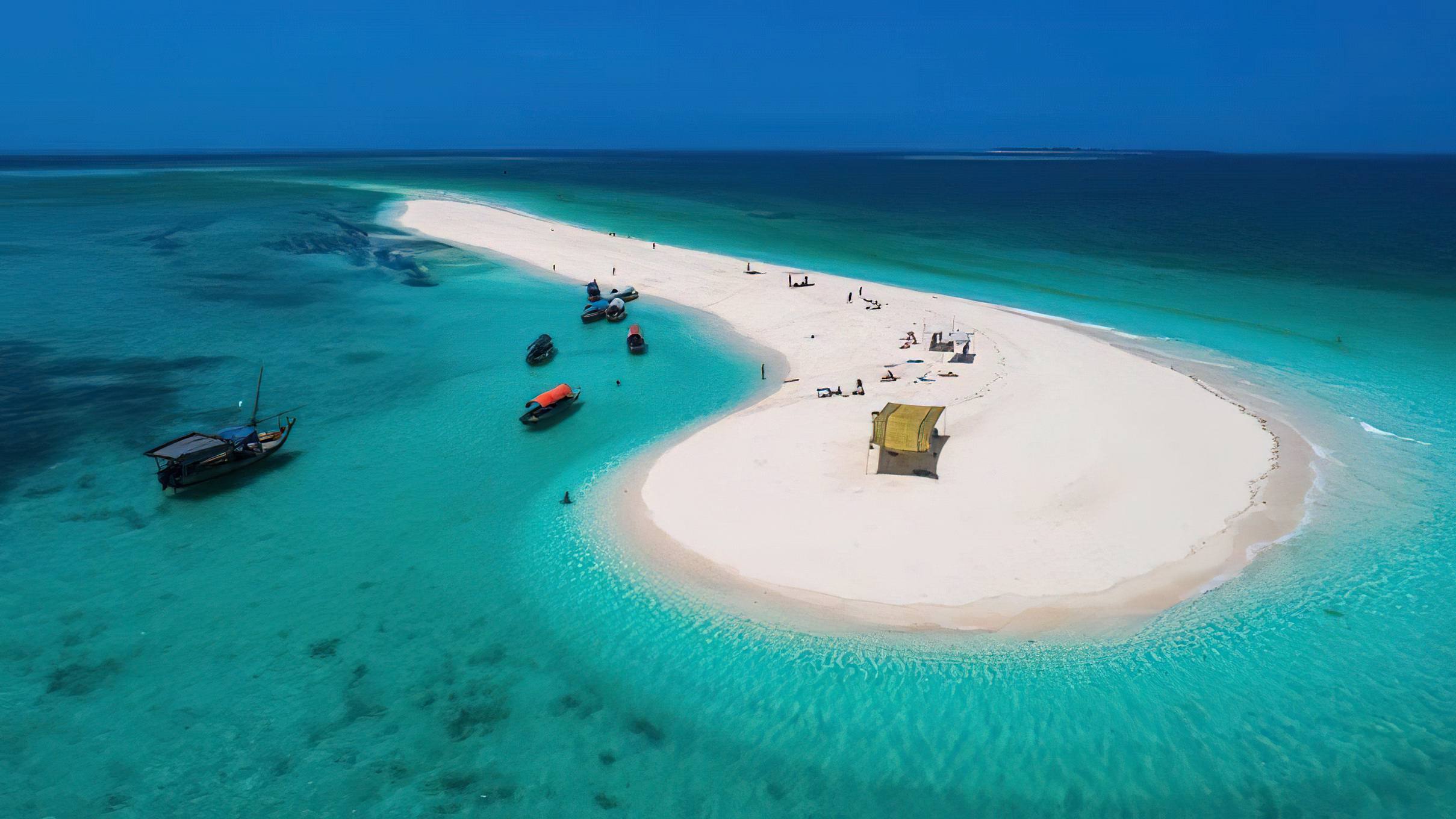
On the coast and islands like Zanzibar, summer brings warm tropical weather,calm seas, and clear waters perfect for swimming, snorkeling, and diving. The gentle ocean breeze, sunny beaches, and vibrant marine life make Zanzibar an excellent destination to end your safari with relaxation and luxury.
Best Places to Visit in Tanzania During Summer
1. Serengeti National Park
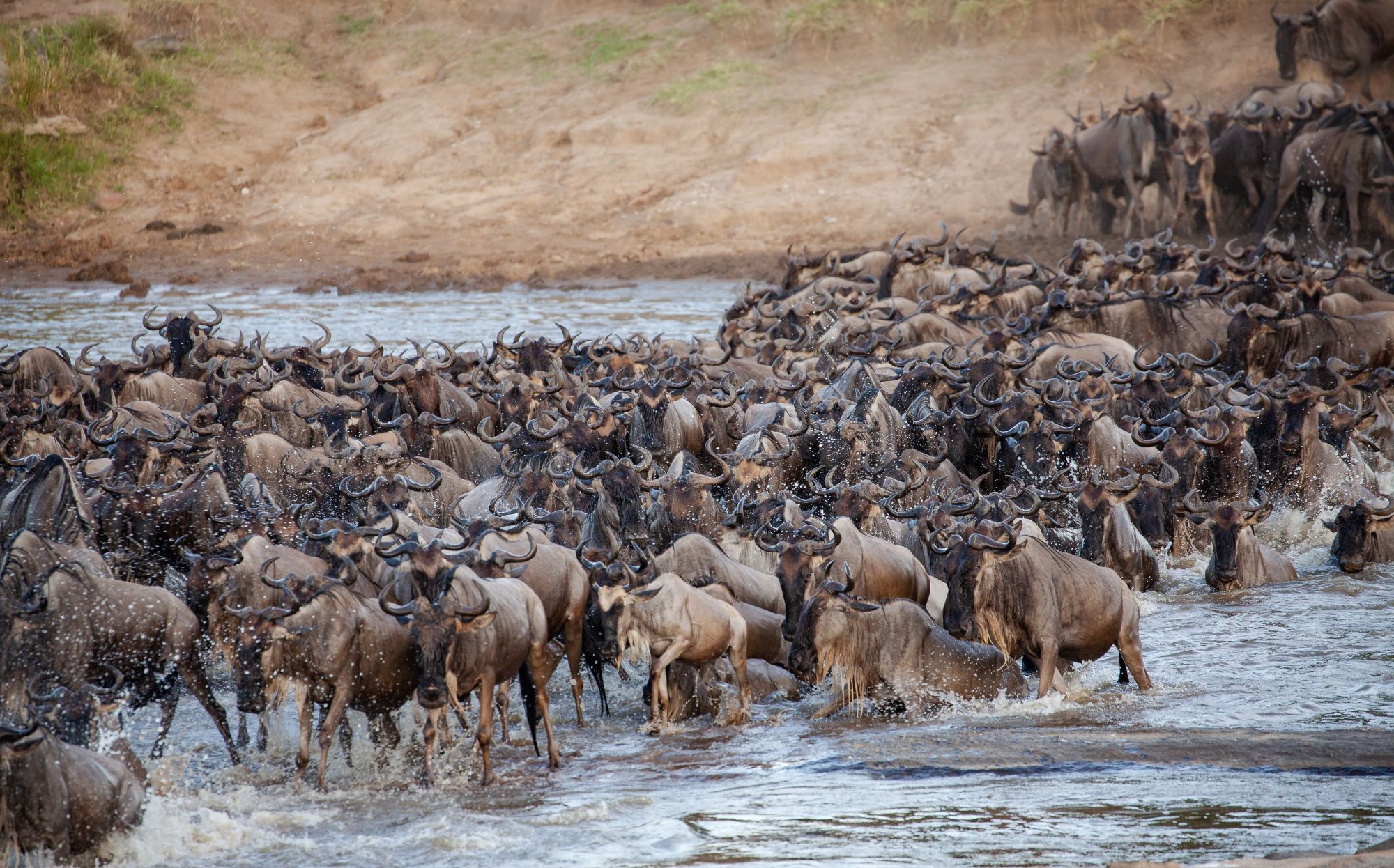
The Serengeti is Tanzania’s most famous park and one of the best safari destinations in the world. During summer, particularly from January to March, the southern plains around Ndutu transform into a birthing ground for hundreds of thousands of wildebeests. This event, known as the Great Wildebeest Calving Season, is one of nature’s greatest spectacles.
Every day, around 8,000calves are born, attracting predators such as lions, hyenas, and cheetahs. Visitors can witness incredible scenes of survival and the raw beauty of nature. The grass is green and short, offering excellent visibility for game viewing and photography.Beyond the migration, the Serengeti teems with wildlife-elephants, zebras, giraffes, leopards, gazelles, and over 500 bird species. With fewer vehicles compared to peak months, this is a peaceful time to explore the park.
Don’t miss an early morning or late afternoon game drive, the golden light makes the scenery and wildlife photographs truly spectacular.
Recommended Lodges:
Ndutu Safari Lodge, Tukaone Camp, Mbalageti Serengeti, and Serengeti Serena Safari Lodge.
2. Ngorongoro Crater
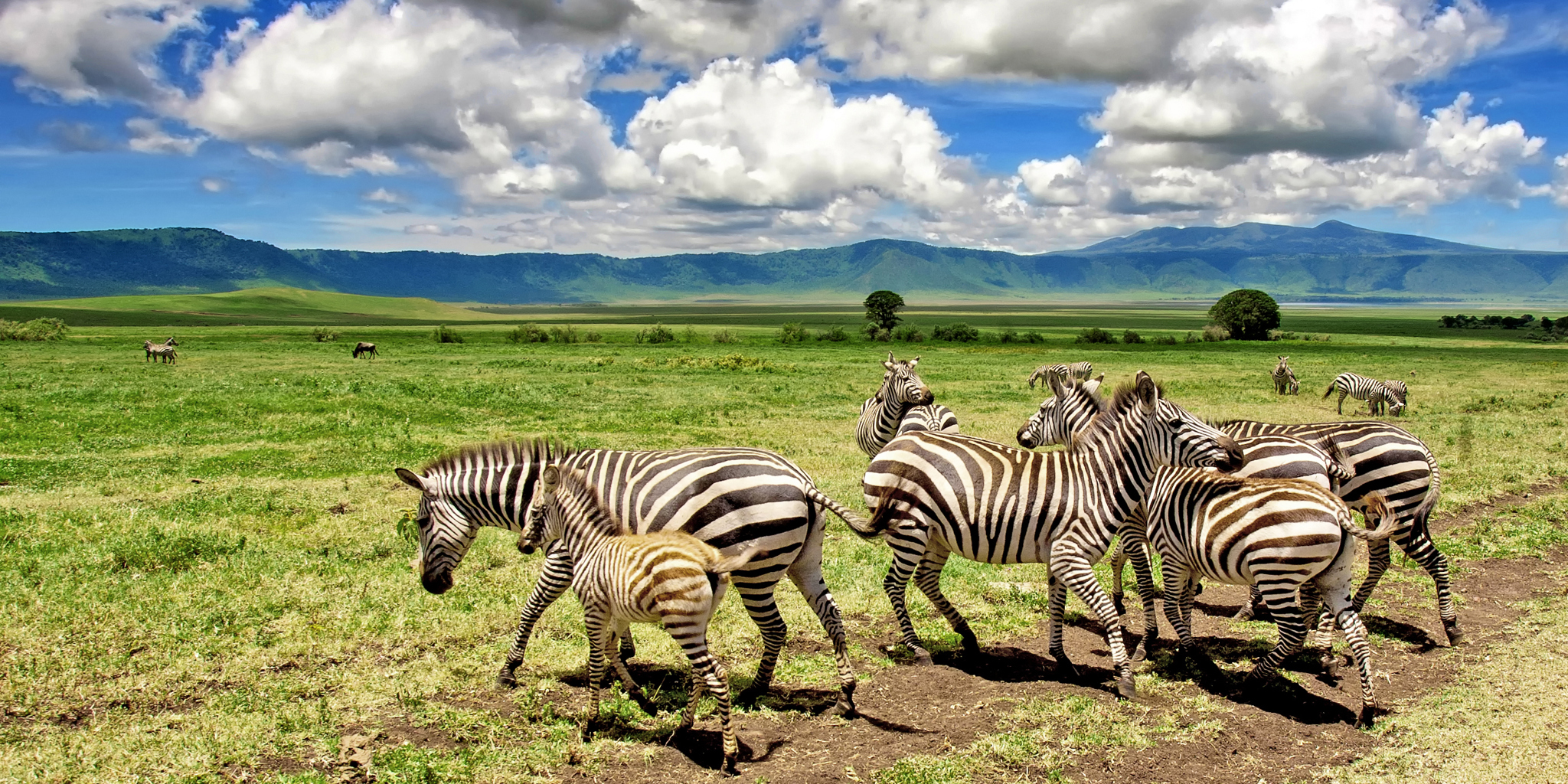
The Ngorongoro Crater, often called the Eighth Wonder of the World, is a UNESCO World Heritage Site and one of Tanzania’s most remarkable natural treasures. Formed by a collapsed volcano, it creates a self-contained ecosystem where wildlife thrives year-round.
During summer, the crater floor is carpeted with green grass, attracting large herds of zebra, wildebeest, buffalo, and gazelle. It’s also one of the few places in Tanzania where you can spot all Big Five animals- lion, leopard, rhino, elephant, and buffalo in a single day.The surrounding highlands are cooler and misty, providing panoramic views of the crater. For travelers who appreciate dramatic landscapes, rich wildlife, and comfortable lodges, Ngorongoro offers the ultimate safari experience.
Visit early in the morning when the light is soft, animals are most active, and there are fewer vehicles on the crater floor.
Recommended Lodges:
Ngorongoro Serena Safari Lodge, Ngorongoro Sopa Lodge, and Rhino Lodge.
3. Tarangire National Park
Tarangire is a hidden gem often overlooked by first-time visitors, yet it offers some of the most authentic safari experiences in Tanzania. The park is famous for its massive elephant herds and iconic baobab trees that dominate the landscape.
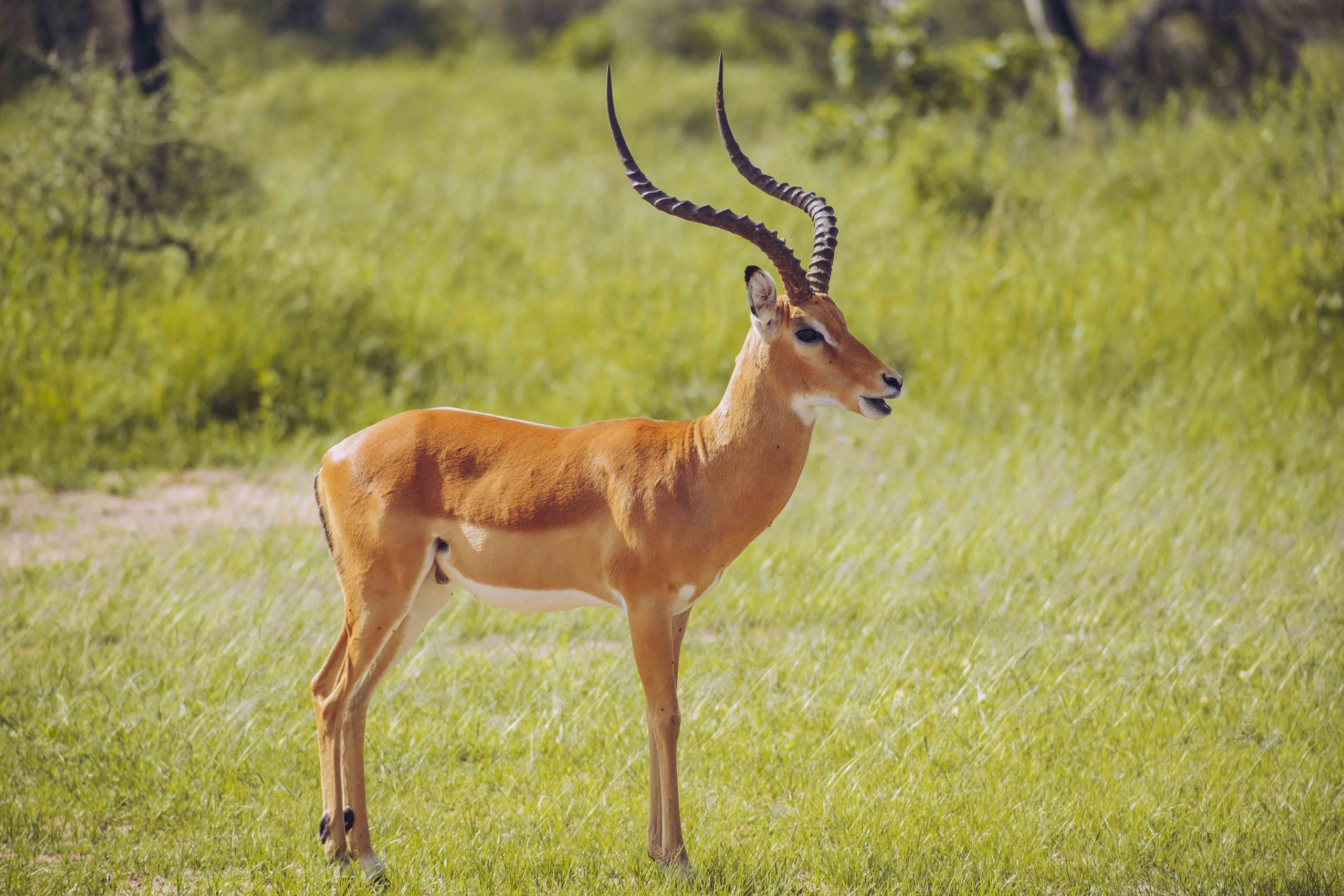
During the summer months, the park becomes beautifully green, and the Tarangire River flows steadily, attracting wildlife such as giraffes, impalas, wildebeests, buffaloes, and elands. With over 500 species of birds, Tarangire is also a paradise for birdwatchers.
Unlike the busier Serengeti, Tarangire remains peaceful and less crowded, allowing for a relaxed, immersive experience. The combination of beautiful scenery, large mammals, and abundant birdlife makes it a favorite among photographers and families alike.Stay overnight inside or near the park to enjoy both early morning and sunset drives, the lighting during these hours is breathtaking.
Recommended Lodges:
Tarangire Safari Lodge, Maramboi Tented Camp, and Sangaiwe Tented Lodge.
4. Lake Manyara National Park
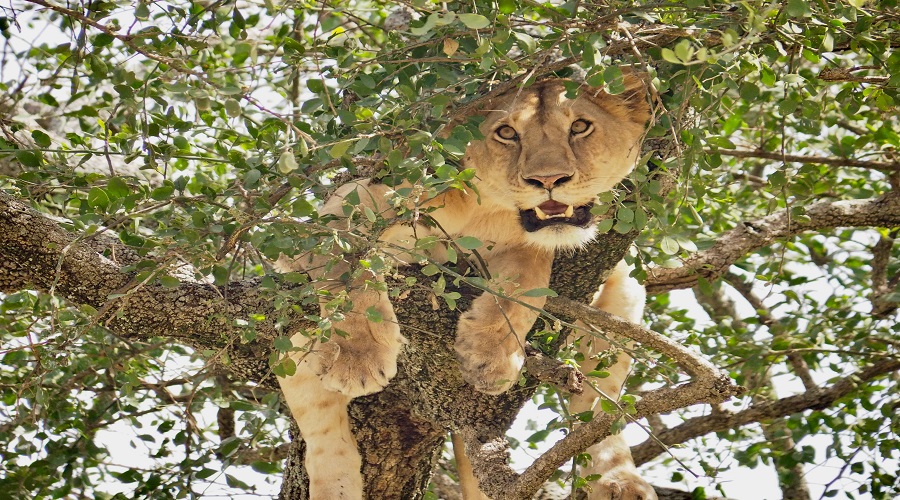
Lake Manyara is small compared to other parks but offers an incredible mix of ecosystems from dense forest to open plains and a shimmering soda lake. It’s most famous for its tree-climbing lions, a rare behavior not commonly seen elsewhere in Africa.During summer, the lake attracts thousands of pink flamingos, pelicans, and other water birds. The greenery is vibrant, and the forest canopy provides shade for elephants, baboons, and blue monkeys.
This park is ideal for travelers looking for a short yet rewarding safari experience, especially families and first-time visitors. The diversity of landscapes makes it a scenic wonder and a refreshing contrast to the open plains of Serengeti.Combine a morning game drive with an afternoon cultural visit to Mto wa Mbu village nearby to experience Tanzanian life and cuisine.
Recommended Lodges:
Lake Manyara Serena Safari Lodge, Escarpment Luxury Lodge, and Manyara Kilimamoja Lodge.
5. Zanzibar Islands
After exploring the wilderness, there’s no better way to end your journey than by unwinding on Zanzibar’s beautiful beaches. The summer months bring warm temperatures, calm turquoise waters, and gentle ocean breezes perfect for swimming, snorkeling, or simply relaxing under the sun.
Whether you are a couple seeking romance or a family looking for relaxation, Zanzibar completes your safari experience with luxury and tranquility.
Top Beaches to Visit: Nungwi, Kendwa, Paje, Jambiani, and Matemwe.
Recommended Resorts: Zuri Zanzibar, Gold Zanzibar Beach House, and The Residence Zanzibar.
Why Visit Tanzania in Summer 2026–2027?
• Perfect Weather
Summer in Tanzania brings warm, sunny days with temperatures ranging between 25°C and 33°C, creating perfect conditions for both wildlife safaris and beach relaxation. The skies are mostly clear, with soft morning light ideal for photography and golden sunsets that light up the savannah. Mild evenings allow you to enjoy outdoor dinners under starry African skies or relax by the campfire after an exciting day of game drives. This comfortable weather also makes it easy to explore multiple destinations from Serengeti plains to Zanzibar beaches without extreme heat or heavy rainfall.
• Wildebeest Calving Season
From January to March, the southern Serengeti and Ndutu plains host one of nature’s most breathtaking events, the Wildebeest Calving Season. Over 500,000calves are born within a few weeks, attracting predators such as lions, cheetahs, and hyenas. This is the best time to witness dramatic predator-prey interactions and the circle of life in its rawest form. Visitors can watch newborn calves take their first steps while the vast herds move across the lush green plains, creating unforgettable safari moments. For wildlife photographers and nature enthusiasts, this season offers once-in-a-lifetime sightings.
• Rich Scenery
Summer transforms Tanzania into a green paradise. The grasslands are lush, rivers flow steadily, and wildflowers bloom across the plains. The dust from the dry season settles, revealing crystal-clear views of mountains and open savannahs. The scenery is filled with contrasts, emerald fields under bright blue skies, reflections in watering holes, and golden sunsets over acacia trees. It’s a perfect time for photographers to capture Tanzania at its most colorful and vibrant, with every frame filled with life and movement.
• Peaceful and Private
Compared to the busy months of June to October, summer safaris are quieter and more exclusive. National parks and lodges have fewer visitors, allowing for more personalized experiences. You can spend longer at wildlife sightings, enjoy private sundowners, and experience the true tranquility of the African wilderness. Lodges often go the extra mile with special touches- bush breakfasts, romantic dinners, or guided nature walks since they host fewer guests. It’s an ideal season for honeymooners, couples, or families who prefer a relaxed pace without the crowds.
• Birdwatching Season
Tanzania’s summer months are a paradise for bird lovers. Migratory species from Europe and Asia arrive, joining the region’s resident birds to create spectacular displays of color and song. Over 1,100 bird species can be seen across the country, including flamingos at Lake Manyara, fish eagles along the Tarangire River, and colorful bee-eaters and kingfishers in the Serengeti. Birdwatchers can enjoy guided walks or photographic safaris focusing on avian species, especially in areas like Ngorongoro Highlands, Lake Eyasi, and the Rift Valley Lakes.
• Great Value
Another major advantage of visiting Tanzania in summer is affordability. As this period is considered a shoulder season, many lodges and safari camps offer discounted rates without compromising on quality. Travelers can enjoy luxury accommodations, private game drives, and excellent service at a lower price compared to the high season. This makes it the perfect time to experience top-tier lodges, exclusive camps, or extend your trip with a few extra days in Zanzibar. In short, summer safaris provide premium experiences at exceptional value- ideal for those seeking adventure with comfort.
What to Pack for a Summer Safari in Tanzania
Pack light, breathable clothing in neutral shades such as khaki, beige, or light brown. Include long-sleeved shirts and trousers to protect against sun and insects. Bring a wide-brimmed hat, sunscreen, insect repellent, and comfortable walking shoes.
Since summer can bring short rains, pack a light rain jacket or poncho. For evenings, a light sweater is useful as temperatures drop slightly. Don’t forget your camera, binoculars, travel adapter, reusable water bottle, and personal medications.
Suggested 7-Day Summer Safari Itinerary
Day 1: Arrival in Arusha. Meet your guide and transfer to your hotel. Overnight at Green Mountain Hotel.
Day 2: Drive to Tarangire National Park for a full-day game drive. Overnight at Tarangire Safari Lodge.
Day 3: Visit Lake Manyara National Park and enjoy an afternoon game drive. Overnight at Country Lodge Karatu.
Day 4: Drive to Serengeti National Park (Central). Evening game drive. Overnight at Tukaone Camp.
Day 5: Full-day exploration in Ndutu area to witness the wildebeest calving season. Overnight at Ndutu Safari Lodge.
Day 6: Early morning game drive, then visit Ngorongoro Crater for a full-day tour. Overnight at Rhino Lodge.
Day 7: Return to Arusha or fly to Zanzibar for a relaxing beach extension.
Summer in Tanzania, from December to March, is a season of life, color, and adventure. The landscapes are green and full of energy, the wildlife is abundant, and the experience is intimate and unforgettable. Whether you’re a wildlife enthusiast, photographer, honeymoon couple, or family traveler, Tanzania’s summer safaris promise memories that last a lifetime.
Combine your safari with a few days on the beaches of Zanzibar, and you’ll experience the best of both worlds,beautiful adventure and ultimate relaxation.
Plan Your Summer Safari with Rede Tours and Safaris
Rede Tours and Safaris is a trusted Tanzanian tour operator offering tailor-madesafari experiences. We specialize in crafting personalized itineraries that combine comfort, adventure, and authentic cultural encounters. With our experienced guides, quality safari vehicles, and handpicked lodges, you’re guaranteed a safe, memorable, and seamless journey.Contact us today to start planning your 2026–2027 Tanzania Summer Safari.Your next unforgettable adventure in Tanzania awaits, let’s make it happen together!