
What Is Mount Kilimanjaro Famous For?
Learn why Mount Kilimanjaro is famous: Africa’s highest free-standing peak, snow-capped summit, rich wildlife, unique climate zones, culture, and top climbing adventure.
Customer Reviews
4.9
MOUNT KILIMANJARO
Mount Kilimanjaro is the most famous mountain in Africa and one of the top adventure destinations in the world. It stands in northern Tanzania, near the Kenya border, and rises high above the African plains.
Every year, more than 30,000 people travel to Tanzania to climb this iconic mountain. But what makes it so famous? Below is a full detailed guide,you will learn what Mount Kilimanjaro is famous for, why it is unique and why so many people dream of climbing it.
Here are the key reasons why Mount Kilimanjaro is so renowned:
• The Highest Mountain in Africa
•The Tallest Free-Standing Mountain in the World
• A Snow-Capped Peak Near the Equator
• A Mountain You Can Climb Without Technical Skills
• Three Volcanic Cones
• Five Unique Climate Zones
• Rich Wildlife and Natural Beauty
• A UNESCO World Heritage Site
• Cultural and Historical Importance
• A Life-Changing Adventure
1. The Highest Mountain in Africa
Mount Kilimanjaro is 5,895 meters (19,341 feet) tall. This makes it the tallest mountain in Africa. Its highest point is called Uhuru Peak, which sits on the Kibo cone. “Uhuru” means freedom in Swahili. Many climbers feel proud and emotional when they reach this point.
Because of its height, Kilimanjaro is part of the Seven Summits, the highest mountains on each continent. Climbers who complete all Seven Summits see Kilimanjaro as an important goal.
Reaching the summit is not easy. The biggest challenge is not steep climbing but high altitude. As you go higher, the air becomes thinner, and there is less oxygen. Many climbers move slowly to allow their bodies to adjust.
2. The Tallest Free-Standing Mountain in the World
Mount Kilimanjaro is not part of a mountain range. It stands completely alone.
Most tall mountains, like those in the Himalayas where Mount Everest is located, are connected to many other peaks. They rise together as part of one long chain of mountains. Kilimanjaro is different. It rises straight up from flat land with no other tall mountains around it.
This makes it the tallest free-standing mountain in the world. The mountain rises about 4,900 meters (16,100 feet) from its base to the summit. That is why it looks so massive and powerful when you see it from far away.
Because it stands alone, Kilimanjaro dominates the landscape. On clear days, it creates a dramatic and unforgettable view above the African savannah. You can even see it from parts of Kenya, especially from Amboseli area, where elephants walk with the mountain in the background.
Its isolated position also makes it a strong symbol of Africa. When people imagine Africa, many pictures the snow-capped peak of Kilimanjaro rising above golden plains. This unique shape and location are big reasons why the mountain is so famous worldwide.
3. A Snow-Capped Peak Near the Equator
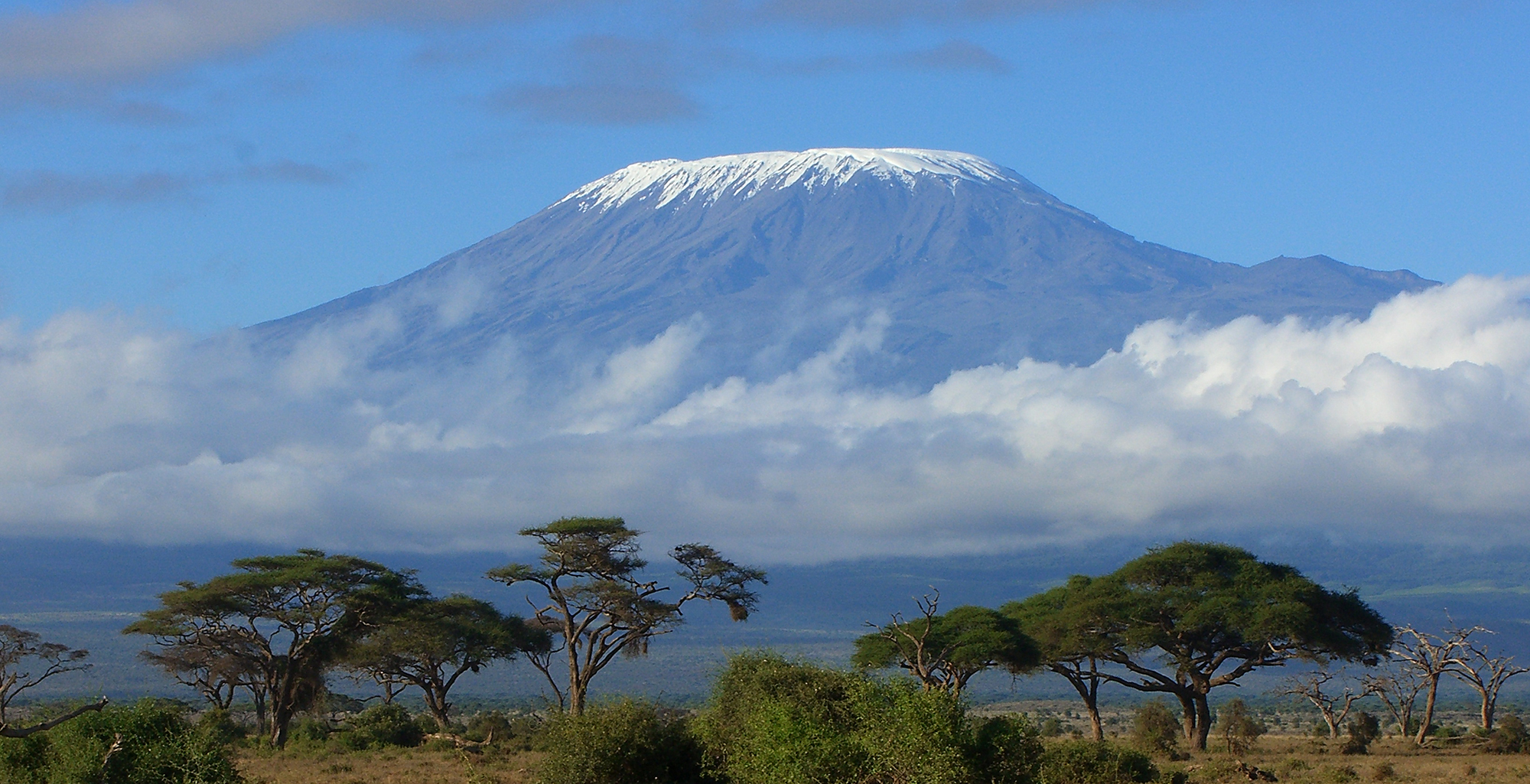
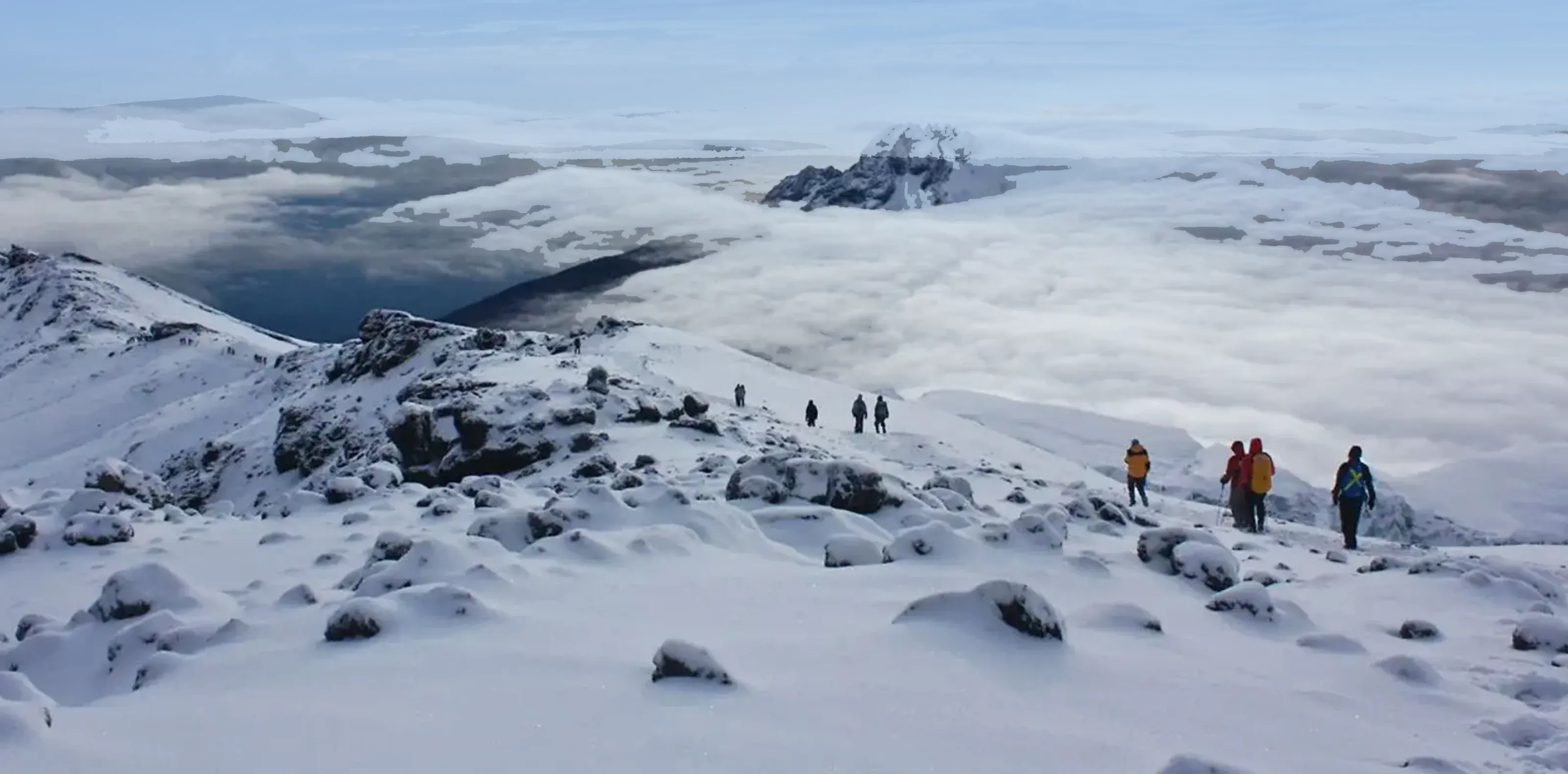
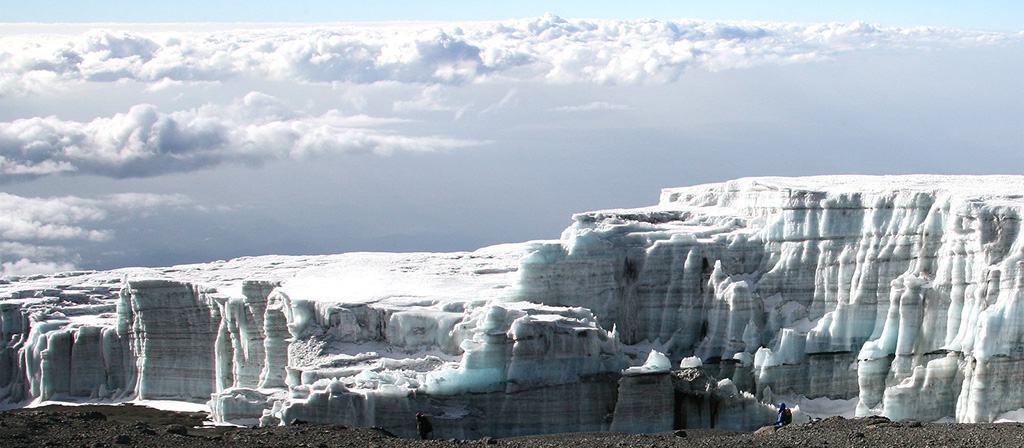
One of the most surprising facts about Mount Kilimanjaro is that it has snow and glaciers, even though it is close to the equator. The reason is simple: temperature drops as altitude increases. At the summit, temperatures can fall below freezing, especially at night.
However, scientists have noticed that the glaciers are shrinking. Climate change and warmer temperatures are causing the ice to melt. Many experts believe the glaciers could disappear in the future if warming continues. This makes Kilimanjaro not only beautiful but also important for climate research.
4. A Mountain You Can Climb Without Technical Skills
Mount Kilimanjaro is famous because ordinary people can climb it, even if they have no previous mountaineering experience. Unlike other high mountains, you do not need ropes, ice axes, or advanced climbing skills. Most of the climb is trekking, which means you walk rather than climb steep rock faces.
However, this does not mean it is easy. Climbing Kilimanjaro is still a serious challenge due to the long days of walking and high altitude. Some climbers experience headaches, nausea, or fatigue as the oxygen level drops at higher elevations. Moving slowly and pacing yourself is important to reduce these risks.
Key Challenges:
· The climb takes 5 to 9 days, depending on the route.
· You walk 5–8 hours or more each day.
· High altitude can cause headaches, dizziness, or nausea, especially above 3,000 meters.
Popular Routes to the Summit:
· Marangu Route – Also called the “Coca-Cola Route.” It is one of the easiest routes and has hut accommodations instead of camping.
· Machame Route – Known as the “Whiskey Route.” It is steeper and more challenging, but offers scenic views of the mountain.
· Lemosho Route – Popular for its beautiful landscapes and higher success rate. It takes longer, giving climbers more time to acclimatize.
· Rongai Route – Approaches Kilimanjaro from the north side, usually quieter and less crowded.
5. Three Volcanic Cones
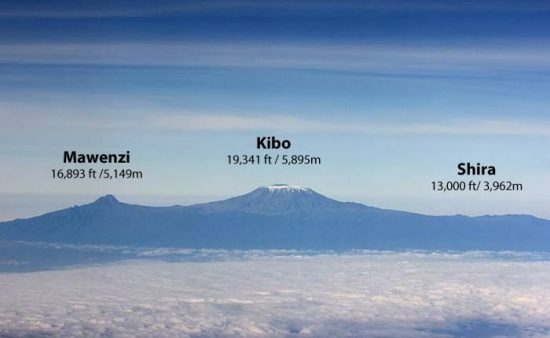
Mount Kilimanjaro is not just a mountain, it is a massive dormant volcano formed millions of years ago. Its unique shape comes from three distinct volcanic cones, each with its own features and challenges.
· Kibo – This is the tallest cone and home to Uhuru Peak, the summit of Kilimanjaro. Kibo is mostly dormant and covered with ice and snow at the top. It is the main focus for climbers aiming to reach the summit.
· Mawenzi – Known for its rugged and jagged peaks, Mawenzi is more challenging to climb. It is steep, rocky, and often avoided by casual trekkers, but it is a spectacular sight from the surrounding plains.
· Shira – This is the oldest and lowest cone. Shira forms a broad plateau on the western side of the mountain. Its flat terrain is less dramatic than Kibo or Mawenzi but adds to the mountain’s diverse landscape.
These three cones explain why Kilimanjaro has such a unique, striking shape. Together, they make the mountain not just a climbing destination but also a geological wonder.
6. Five Unique Climate Zones
Climbing Mount Kilimanjaro is like walking through five different worlds in a single journey. Each zone has its own weather, plants, and scenery, which makes the trek fascinating and unique. Few mountains in the world show such a clear change in climate over a short distance.
1. Cultivation Zone
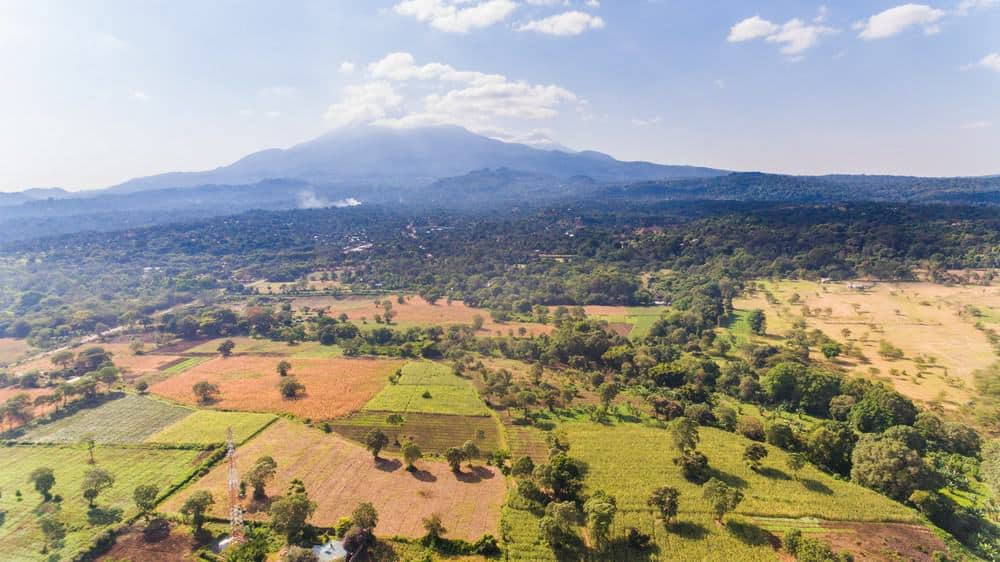
This is the lowest zone at the base of the mountain. It is fertile farmland where local communities grow bananas, coffee, maize, and other crops. The weather here is warm and pleasant, and you may see villagers working in the fields.
2. Rainforest Zone
Above the farmland is the rainforest zone. It is warm, humid, and full of life. Expect to see tall trees, dense vines, and colorful birds. Monkeys such as blue monkeys and colobus monkeys are common. The rainforest feels lush and magical, with a lot of greenery and mist in the mornings.

3. Moorland Zone
In this zone, trees become smaller and the landscape opens up. You will see giant groundsels and unique shrubs that grow nowhere else. The air is cooler, and the scenery is a mix of rocky terrain and grasslands, giving the feeling of being in a high-altitude wilderness.
.jpg)
4. Alpine Desert Zone
The alpine desert zone is dry, rocky, and exposed. Plant life is sparse, and temperatures can be extreme, hot during the day and cold at night. The terrain becomes rougher, with volcanic rocks and little vegetation. This zone prepares climbers for the harsh conditions of the summit.

5. Arctic Summit Zone
The final zone is the summit, where it is cold, windy, and icy, like the Arctic. Temperatures often fall below freezing, and climbers must be well-prepared with warm clothing. Snow and glaciers cover the peaks, creating a stunning contrast with the tropical base far below.
Traveling through these five zones in one climb makes Kilimanjaro an extraordinary adventure, offering a unique mix of nature, wildlife, and landscapes in just a few days.
7. Rich Wildlife and Natural Beauty
The lower slopes of Mount Kilimanjaro are teeming with wildlife and are covered in lush vegetation, making the mountain not just a climbing destination but also a paradise for nature lovers. The variety of animals, birds, and plants is incredible, especially in the rainforest zone.
Wildlife You May See
· Blue Monkeys – Often found swinging through the trees, they are playful and social.
· Colobus Monkeys – Recognizable by their black-and-white fur, they are mostly peaceful and move gracefully through the canopy.
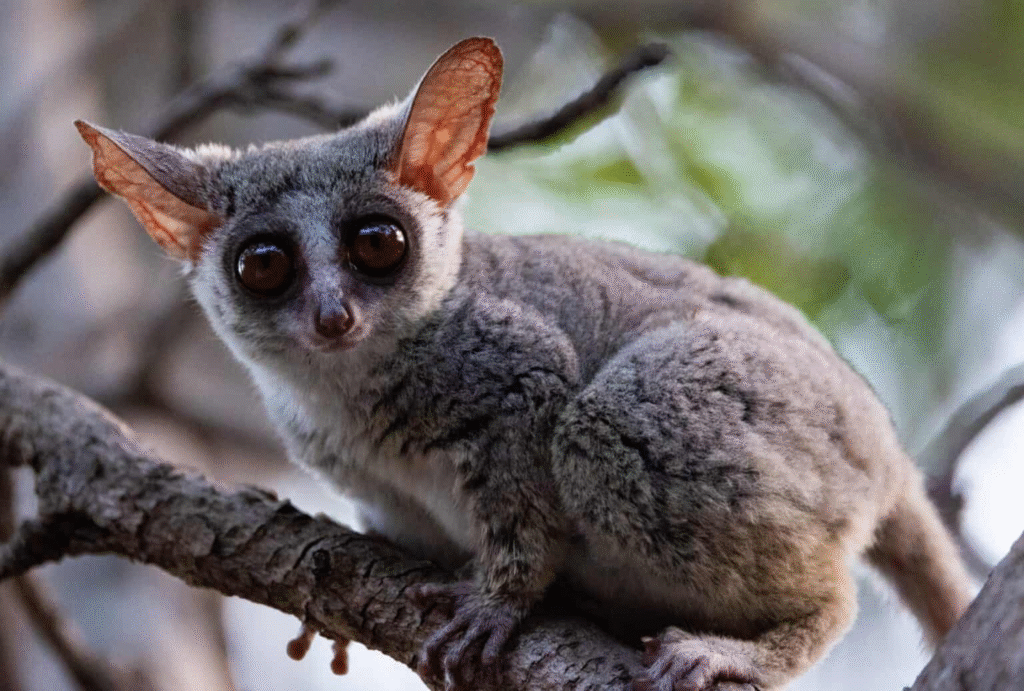
· Bush Babies – Small nocturnal primates that are active at night and can sometimes be spotted with the help of guides.
· Birds – The rainforest is full of colorful birds, including hornbills, turacos, sunbirds, and more. Birdwatchers can enjoy spotting dozens of species along the trail.
· Elephants and Buffalo – Occasionally, larger wildlife like elephants or buffalo can be seen on the lower slopes or nearby plains, especially near the Amboseli and Maasai regions.
Flora and Natural Beauty
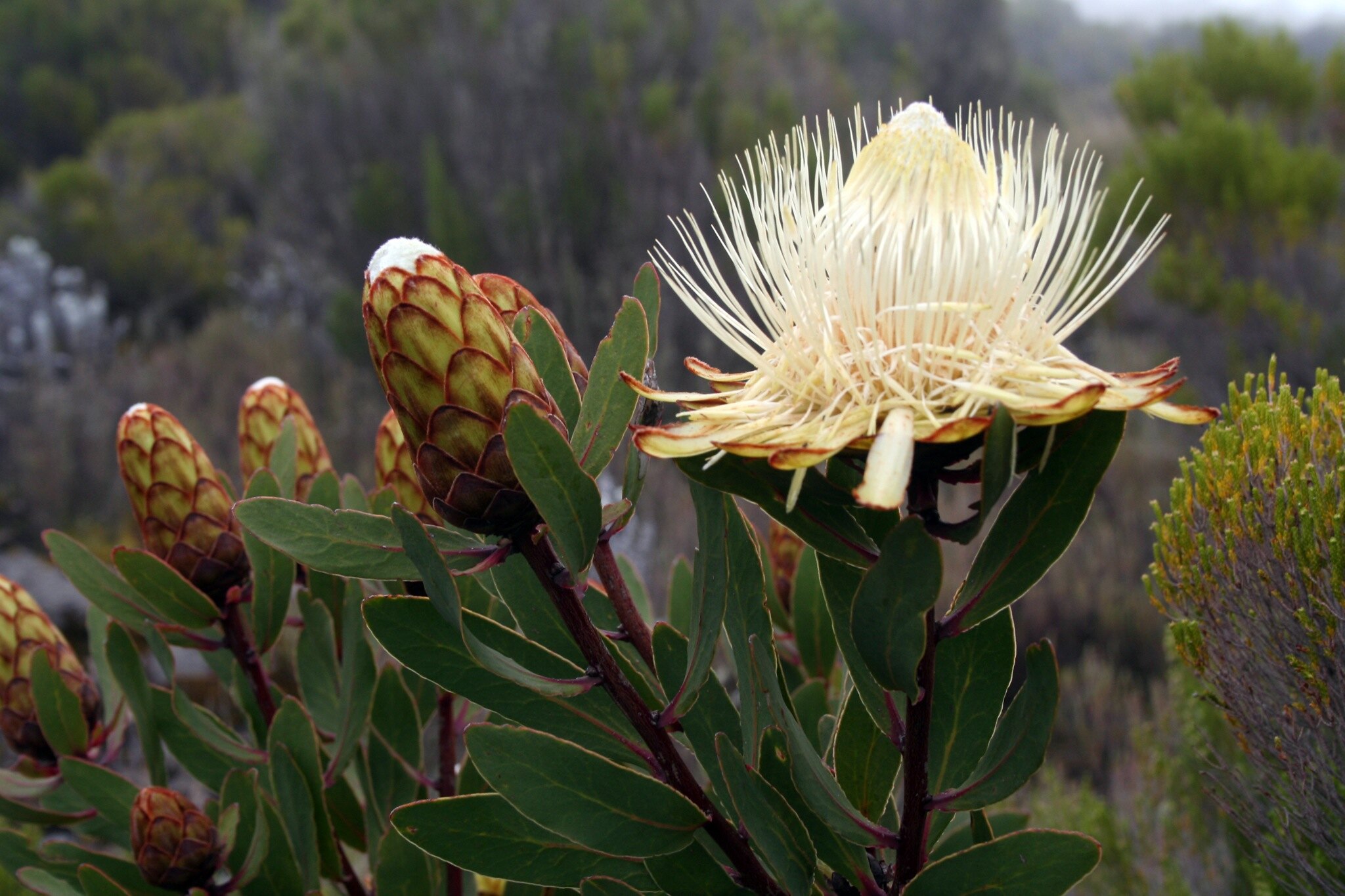
The mountain’s slopes are covered in dense forests, bamboo groves, and unique high-altitude plants. Giant groundsels and lobelias in the moorland zones are visually striking and found almost nowhere else in the world.
The rich wildlife and natural beauty make Kilimanjaro a destination not only for climbers but also for nature enthusiasts, photographers, and birdwatchers. The variety of life on the mountain enhances the climbing experience, making every step through the rainforest and moorland zones full of discovery.
Climbing Mount Kilimanjaro is therefore not just a trekking adventure, but also a journey through one of Africa’s most remarkable ecosystems.
8. A UNESCO World Heritage Site
Mount Kilimanjaro was officially declared a UNESCO World Heritage Site in 1987. This prestigious designation recognizes the mountain as a place of global importance, not just for Tanzania but for all of humanity. Being a World Heritage Site highlights its unique natural and cultural value.
The mountain is protected for several key reasons:
Natural Beauty
Kilimanjaro is one of the most stunning landscapes in the world. From the green rainforest at the base to the snow-covered summit, the scenery changes dramatically as you climb. Its towering presence above the African plains creates an unforgettable view, attracting climbers, photographers, and nature lovers from across the globe.
Unique Ecosystem
Mount Kilimanjaro is home to a variety of plants and animals found nowhere else. The mountain’s five distinct climate zones support different species, from monkeys and bush babies in the rainforest to rare high-altitude plants like giant groundsels near the summit. Protecting this ecosystem is crucial to preserve biodiversity.
Scientific Importance
Scientists study Kilimanjaro to understand climate change, glacial melting, and ecological patterns. The shrinking glaciers and ice fields provide important evidence about global warming and environmental changes in tropical regions. This makes the mountain valuable not only for climbers and tourists but also for research and education.
Being a UNESCO World Heritage Site has also increased international awareness of Kilimanjaro. It attracts millions of visitors every year and encourages conservation efforts to protect its forests, wildlife, and glaciers.
9. Cultural and Historical Importance
Mount Kilimanjaro is more than just a mountain, it is a powerful national symbol of Tanzania. Its towering presence represents strength, pride, and identity for the country. The summit, Uhuru Peak, which means “freedom” in Swahili, symbolizes independence and hope, making it an important cultural landmark.
The mountain frequently appears in Tanzanian images, tourism materials, and national branding, showing its significance in the country’s identity. For visitors, Kilimanjaro is often the first image that comes to mind when thinking about Tanzania or Africa, highlighting its global recognition.
Kilimanjaro has also inspired literature and art. The most famous example is Ernest Hemingway’s short story The Snows of Kilimanjaro, which brings attention to the mountain’s snow-capped peaks and symbolic significance.
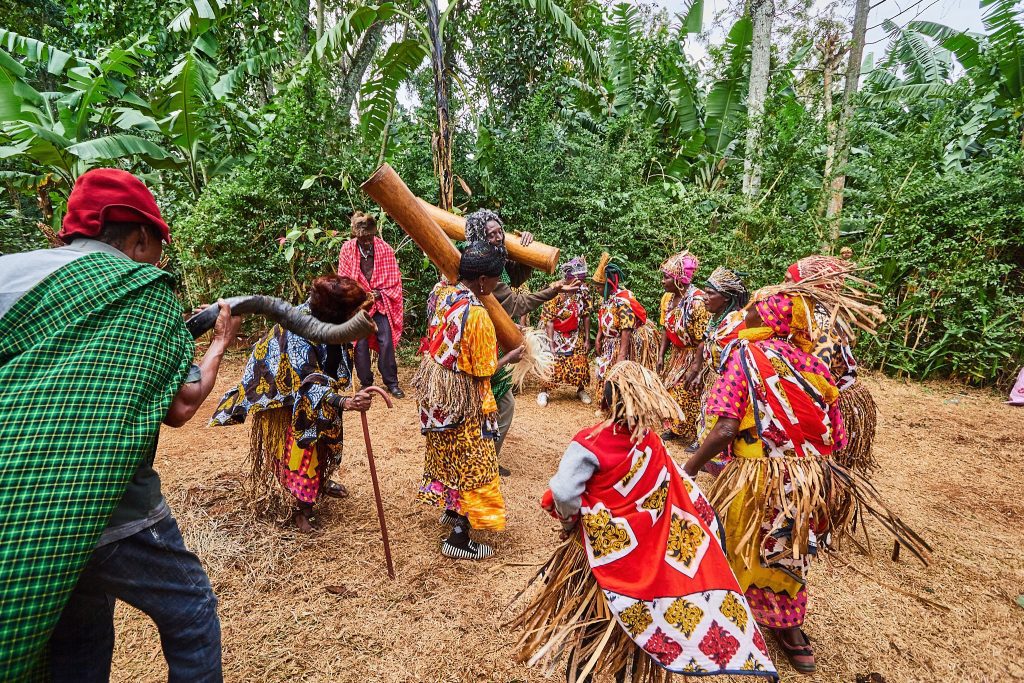
For the local communities, the mountain holds deep cultural and historical meaning. The Chagga people, who live on the slopes, have traditional beliefs, folklore, and practices connected to Kilimanjaro. It provides resources, water, and fertile soil while also being a spiritual symbol. Many rituals, stories, and legends of the region are tied to the mountain, making it a central part of local heritage and identity.
10. A Life-Changing Adventure
Climbing Mount Kilimanjaro is often described as a life-changing experience. For many climbers, reaching the summit is one of the most memorable and emotional moments of their lives. The sense of accomplishment and awe at standing above the clouds is unmatched.
The final climb usually starts around midnight, when temperatures are very cold. Climbers move slowly in the dark, guided by headlamps, carefully pacing themselves to cope with the high altitude and low oxygen. This slow, steady approach is essential for safety and helps climbers reach the summit successfully.
As the sun rises, the sky transforms into stunning shades of orange, pink, and gold, illuminating the snow-capped summit. Standing at Uhuru Peak, the highest point in Africa, gives climbers a deep sense of achievement, pride, and perspective. The view above the clouds is breathtaking and unforgettable.
Climbing Kilimanjaro is more than a physical challenge, it is a personal journey. It teaches patience, determination, mental strength, and resilience. Many people say that the climb changes the way they see themselves and the world, leaving lasting memories of adventure, nature, and personal growth.
For many travelers, Kilimanjaro is not just a mountain to climb, it is a transformative experience that combines adventure, beauty, and self-discovery.

What to Expect When Climbing Mount Kilimanjaro?
Climbing Mount Kilimanjaro is a real adventure. Here is what you should expect:
1. Daily Hiking for Several Hours
You will walk 5–8 hours per day, sometimes more on summit night. The pace is slow to help your body adjust to altitude.
2. Changing Weather
You may experience sunshine, rain, wind, and cold temperatures in one trip. At the summit, temperatures can drop below freezing.
3. Basic Camping or Mountain Lodges
Most routes use tents. Only the Marangu Route has simple mountain huts. Expect basic but comfortable arrangements.
4. Early Wake-Up on Summit Night
Summit climb usually starts around midnight. You walk slowly in the dark using a headlamp to reach the top by sunrise.
5. Altitude Effects
Some climbers feel headaches, nausea, or tiredness because of high altitude. Guides check your health daily to keep you safe.
6. Team Support
You will climb with:
· Professional guides
· Porters carrying equipment
· A cook preparing meals
7. Incredible Views
Expect amazing landscapes, beautiful sunrises, and views above the clouds. The higher you go, the more dramatic the scenery becomes.
Why Mount Kilimanjaro Is So Famous Worldwide?
Mount Kilimanjaro is one of the most famous mountains in the world because it combines several rare and unique features that make it stand out. Very few mountains on Earth offer all of these together, which is why Kilimanjaro attracts climbers, adventurers, and tourists from across the globe.
1. Extreme Height
Kilimanjaro stands at 5,895 meters (19,341 feet), making it the highest mountain in Africa. Its towering presence above the plains gives climbers a sense of achievement and awe. Being part of the Seven Summits also makes it a key goal for mountaineers worldwide. The extreme height allows climbers to experience changing climates and breathtaking views above the clouds, all in one journey.
2. Easy Accessibility
Unlike many high mountains, Kilimanjaro can be climbed without technical mountaineering skills. You don’t need ropes, ice axes, or advanced climbing experience. Most of the routes are trekking paths, which makes it accessible to ordinary people who are fit and prepared. This accessibility allows thousands of climbers each year to attempt the summit and achieve a once-in-a-lifetime adventure.
3. Stunning Scenery
Kilimanjaro offers diverse and dramatic landscapes. Climbers move through lush rainforests, open moorlands, rocky alpine deserts, and finally reach a snow-capped summit. This variety of scenery makes every step unique. Sunrises from the top, views above the clouds, and the ever-changing landscapes make Kilimanjaro a photographer’s paradise and a visual wonder.
4. Snow in Africa
Many people are surprised to find snow and glaciers near the equator. The summit is cold and icy even though Kilimanjaro is in tropical Africa. This rare combination of tropical base and snowy peak is one of the reasons the mountain is so famous. It is a symbol of nature’s diversity and a must-see wonder for travelers.
5. Cultural Importance
Mount Kilimanjaro is deeply embedded in Tanzanian culture and history. Uhuru Peak, meaning “freedom,” symbolizes independence and pride. The mountain appears on posters, stamps, and tourism materials, making it a national icon. Local communities, like the Chagga people, have traditions, folklore, and practices tied to the mountain, giving it rich cultural significance.
6. Adventure Tourism
Kilimanjaro is a dream destination for adventure seekers. Each year, thousands of travelers climb the mountain to test their endurance, experience high-altitude trekking, and explore its natural wonders. The climb teaches patience, resilience, and determination, turning the expedition into a life-changing journey. It is a top choice for anyone looking for a memorable and challenging adventure.
FAQ
Q1: Where is Mount Kilimanjaro located?
Mount Kilimanjaro is in northern Tanzania, near the Kenya border. It rises high above the African plains and is visible from far away, including parts of Kenya.
Q2: How tall is Mount Kilimanjaro?
It is 5,895 meters (19,341 feet) tall, making it the highest mountain in Africa. Its summit, Uhuru Peak, is part of the famous Seven Summits.
Q3: Why is Kilimanjaro a free-standing mountain?
Unlike mountains in ranges like the Himalayas, Kilimanjaro stands alone. It rises straight from flat land, making it the tallest free-standing mountain in the world.
Q4: Can anyone climb Mount Kilimanjaro?
Yes! You don’t need technical climbing skills. Most people trek the mountain, though high altitude makes it physically challenging. Proper pacing and preparation are key.
Q5: How many climate zones are on Kilimanjaro?
There are five: cultivation, rainforest, moorland, alpine desert, and arctic summit. Each zone has unique plants, weather, and scenery, making the trek extraordinary.
Q6: What wildlife can I see on Kilimanjaro?
The lower slopes have monkeys, bush babies, colorful birds, elephants, and buffalo. The mountain is also home to unique plants like giant groundsels and lobelias.
Q7: Does Kilimanjaro have snow?
Yes! Its summit has snow and glaciers despite being near the equator. However, glaciers are shrinking due to climate change.
Q8: Why is Kilimanjaro culturally important?
The mountain is a symbol of Tanzania’s pride and identity. Uhuru Peak means “freedom” in Swahili. Local communities, like the Chagga people, have traditions and folklore connected to Kilimanjaro.
Q9: Is Kilimanjaro a UNESCO World Heritage Site?
Yes. It was declared a UNESCO World Heritage Site in 1987 for its natural beauty, biodiversity, and cultural significance.
Q10: Why do people climb Kilimanjaro?
Climbing is a life-changing adventure. It offers stunning views, a sense of achievement, and a journey through diverse ecosystems. Many climbers say it teaches patience, resilience, and determination.
Q11: What should I expect on a Kilimanjaro climb?
Expect daily hikes of 5–8 hours, changing weather, basic camping or mountain huts, early summit starts, altitude effects, and strong support from guides and porters. The reward is breathtaking landscapes and unforgettable memories.
Your Kilimanjaro Adventure Awaits
Climbing it is not just about reaching the top, it is about the journey, the people you meet, and the unforgettable views above the African plains, Book Now with Rede tours and Safaris to start your adventure and experience the magic, challenge, and beauty of Mount Kilimanjaro for yourself!